Are all in one desktops good for gaming? This question resonates with countless US gamers who juggle demanding careers, family life, and a passion for hitting those high scores or exploring vast digital worlds. Many of us dream of a clutter-free, powerful gaming setup that also fits seamlessly into our living space. But can these sleek, integrated machines truly deliver the performance needed for today's most popular titles? Or are they better suited for casual browsing and light work? This comprehensive guide dives deep into the realities of gaming on an all-in-one PC, cutting through the marketing hype to provide honest, practical advice. We'll explore performance trade-offs, upgrade limitations, value for money, and what kind of gaming experience you can realistically expect. For the gamer who values convenience and aesthetics but also demands smooth gameplay, understanding the nuances of AIOs is crucial. Discover if an all-in-one desktop can be your next gaming station.
Can All-in-One Desktops Actually Game?
The short answer is: it depends on your definition of "gaming." For casual titles, older classics, or less graphically demanding indie games, many all-in-one PCs can provide a perfectly acceptable experience. However, for serious gamers looking to play the latest AAA blockbusters at high settings or competitive esports titles at high frame rates, most AIOs fall short due to their integrated graphics and thermal limitations.
Are All-in-One PCs Upgradeable for Better Gaming?
Unfortunately, upgradeability is one of the biggest drawbacks of all-in-one PCs for gamers. Unlike traditional desktops where you can easily swap out graphics cards, RAM, and even processors, most AIOs have soldered components or highly inaccessible internals. This means you're largely stuck with the performance you buy, making them less future-proof for evolving game requirements.
Do All-in-One Desktops Overheat During Gaming?
Yes, overheating is a common concern for all-in-one desktops during extended gaming sessions. Their compact design means less space for robust cooling systems, leading to heat buildup. When components get too hot, they "throttle" (reduce their performance) to prevent damage, which directly translates to stuttering, lower frame rates, and a frustrating gaming experience.
What Are the Best All-in-One PCs for Casual Gaming?
For casual gaming, look for all-in-one PCs that feature at least an Intel Core i5 or AMD Ryzen 5 processor and, ideally, a very basic dedicated GPU like an NVIDIA MX series or a low-end Radeon. If only integrated graphics are available, ensure it's a newer generation (e.g., Intel Iris Xe, AMD Radeon Graphics on newer Ryzens) with at least 16GB of RAM. Models around $1000-$1500 might fit this bill, allowing for comfortable play of less demanding titles.
How Do All-in-One Desktops Compare to Gaming Laptops?
For gaming purposes, gaming laptops generally outperform all-in-one desktops. Gaming laptops are specifically designed with powerful mobile GPUs and more advanced cooling solutions, making them better equipped to handle modern games. While AIOs offer a larger, built-in display, gaming laptops provide superior portability and often better performance per dollar for dedicated gaming hardware.
Why Are All-in-One PCs Not Recommended for Hardcore Gamers?
Hardcore gamers demand high frame rates, maxed-out graphics settings, and the ability to upgrade components over time. All-in-one PCs typically cannot deliver on these fronts. They lack powerful dedicated GPUs, struggle with heat management, and offer minimal to no upgrade options for graphics, making them unsuitable for competitive play or enjoying the latest visually stunning titles without significant compromise.
What Alternatives Exist for Space-Saving Gaming Beyond All-in-Ones?
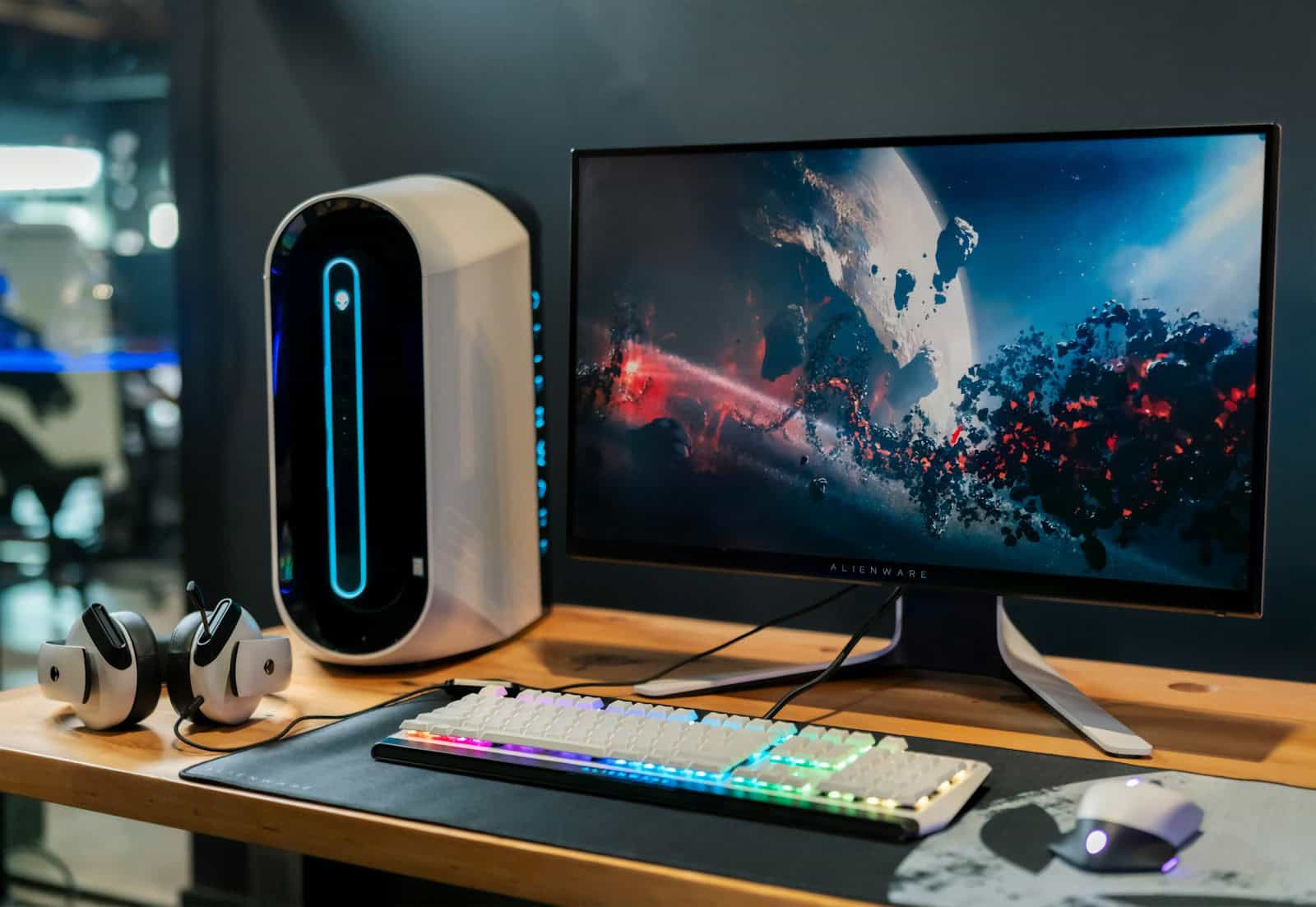
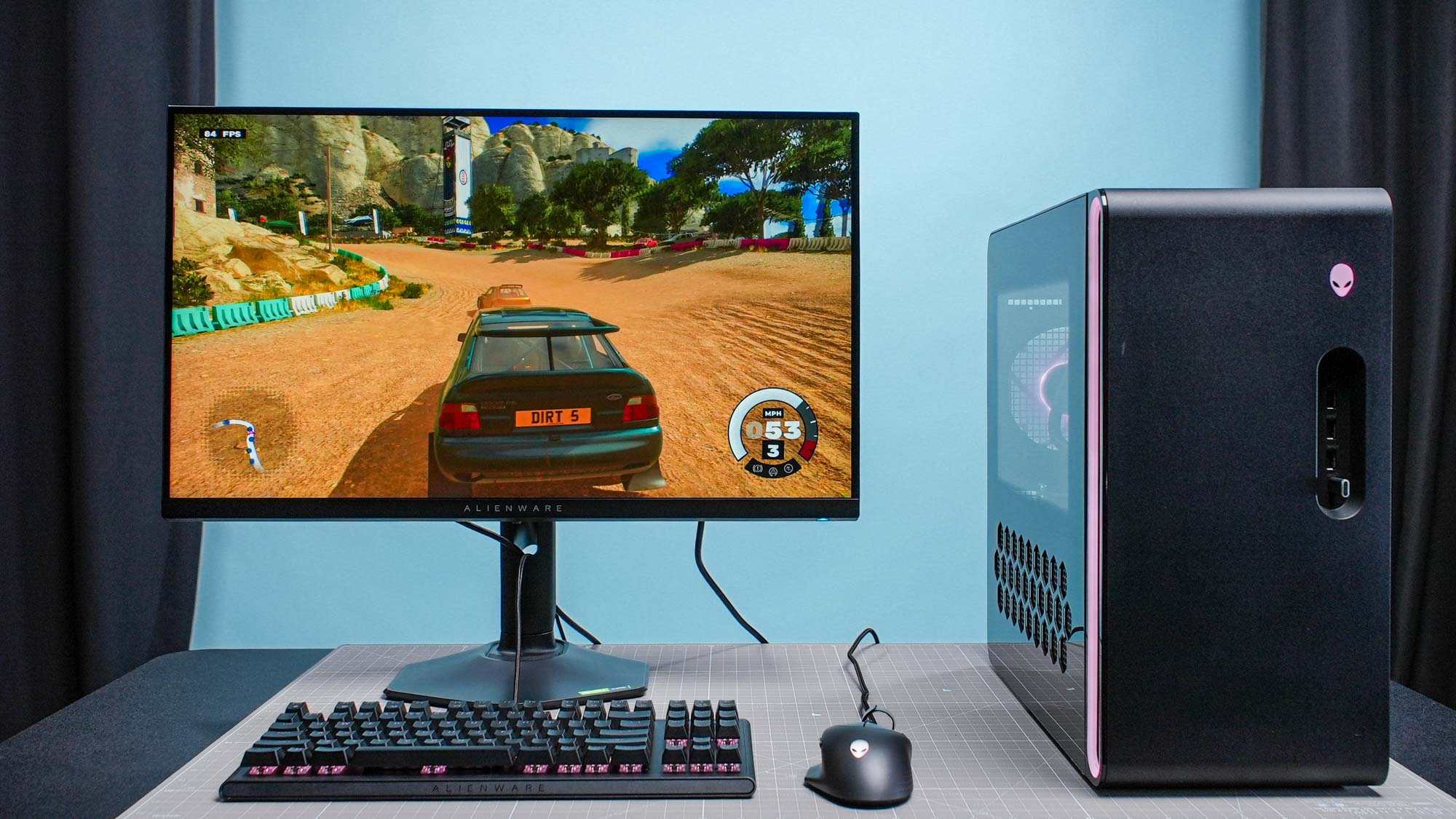
If you need a space-saving gaming setup but find AIOs lacking, consider these alternatives: 1) Small Form Factor (SFF) Gaming PCs, which are compact towers housing powerful, upgradeable components. 2) Gaming Laptops, which offer excellent performance and portability. 3) Mini PCs paired with an external GPU enclosure (eGPU), offering a modular upgrade path for graphics. These options provide a far better gaming experience and often more long-term value than most AIOs.
We've all been there: staring at a tangle of cables, a bulky tower taking up precious desk space, and the nagging thought of yet another hardware upgrade. For many of us US gamers, especially those averaging around 36 years old and balancing careers, families, and life's endless demands, gaming is about relaxation, skill-building, and social connection, not endless tech headaches. We want a setup that's powerful enough to immerse us in our favorite worlds, helps us unwind after a long day, and ideally, doesn't look like a spaceship control panel in our living room.
This month, with gaming still a dominant leisure activity (87% of US gamers play regularly, often 10+ hours a week, with mobile gaming seeing significant growth and social gaming trends skyrocketing), the quest for the perfect balance between performance, aesthetics, and convenience is more relevant than ever. Enter the all-in-one (AIO) desktop. With its sleek design and minimal footprint, it looks like a dream come true for the modern gamer. But the burning question remains: are all in one desktops good for gaming? Can these streamlined machines truly stand up to the latest AAA titles, or are they a compromise too far? Let's dive into the realities, cut through the marketing, and get you the practical answers you need to game smarter, not harder.
What Exactly is an All-in-One Desktop?
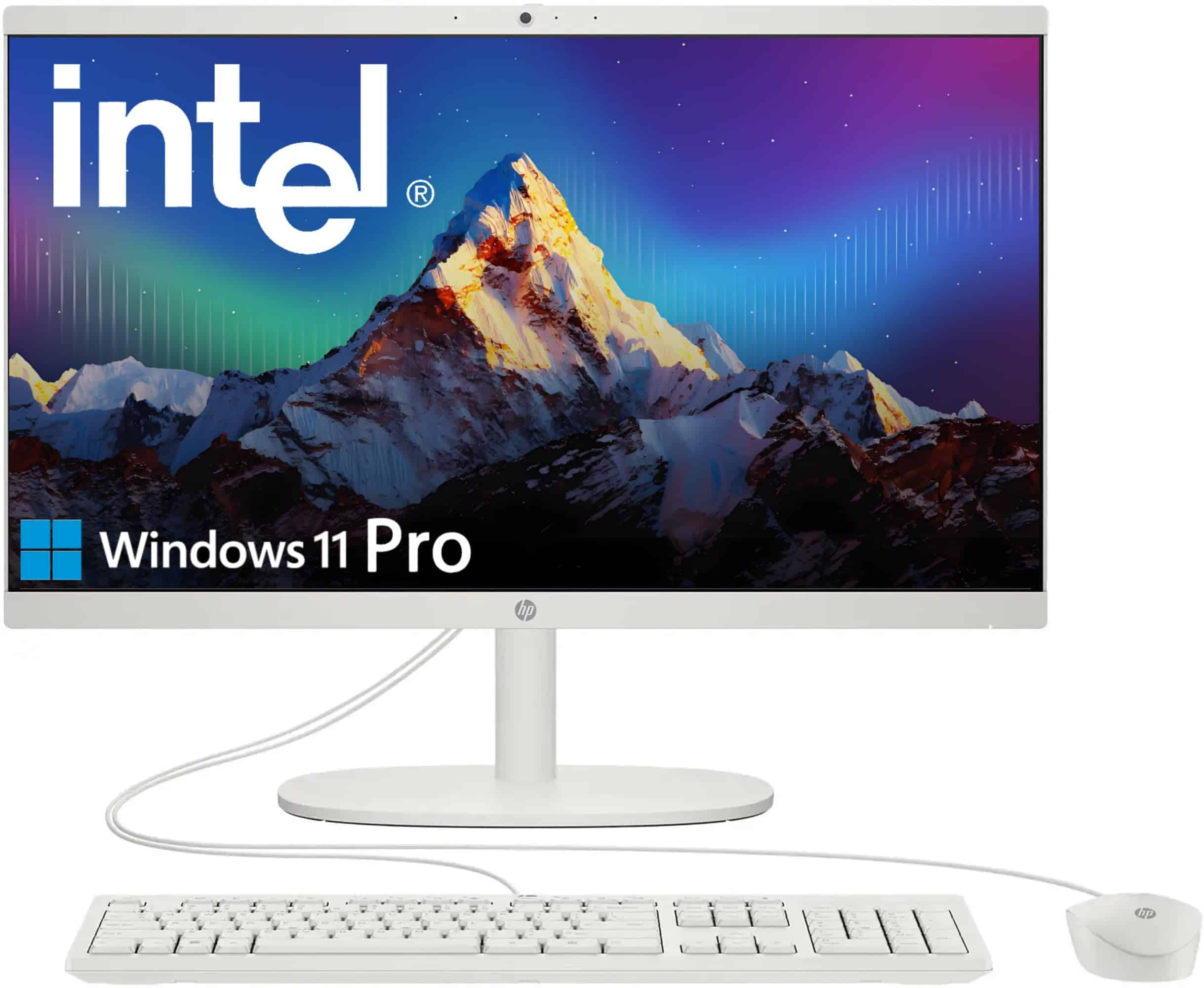
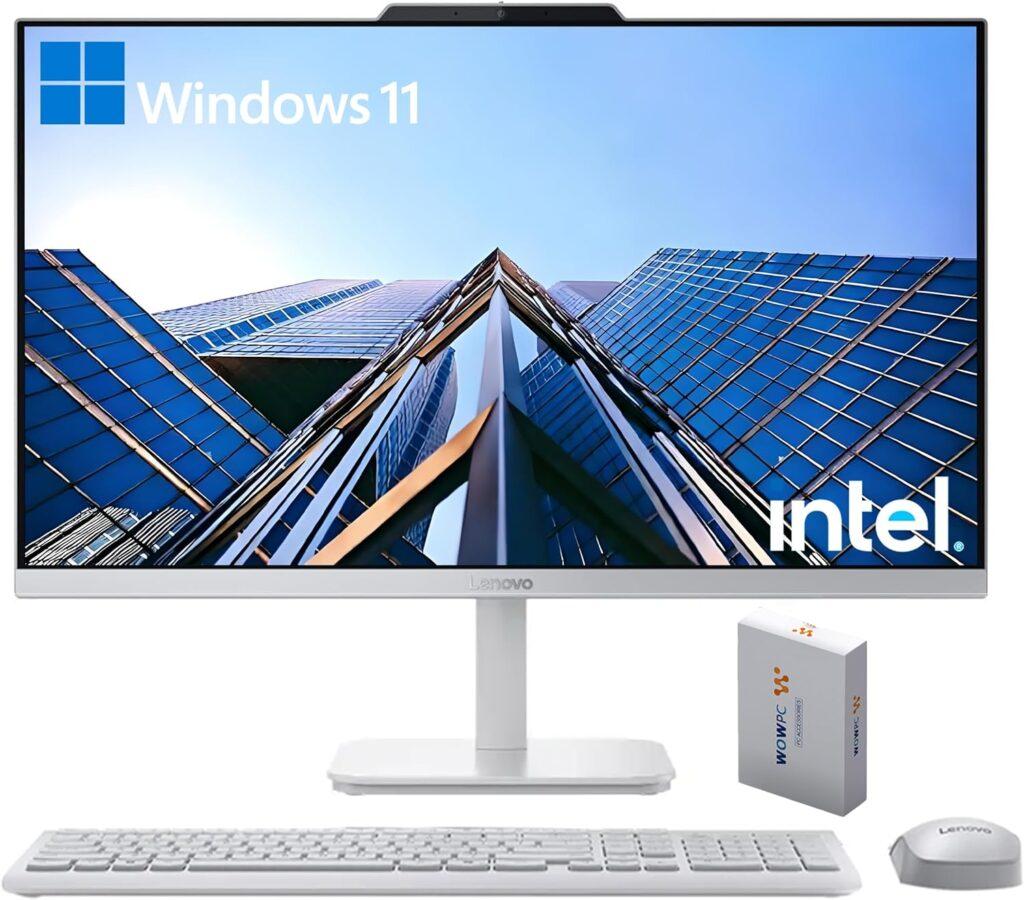
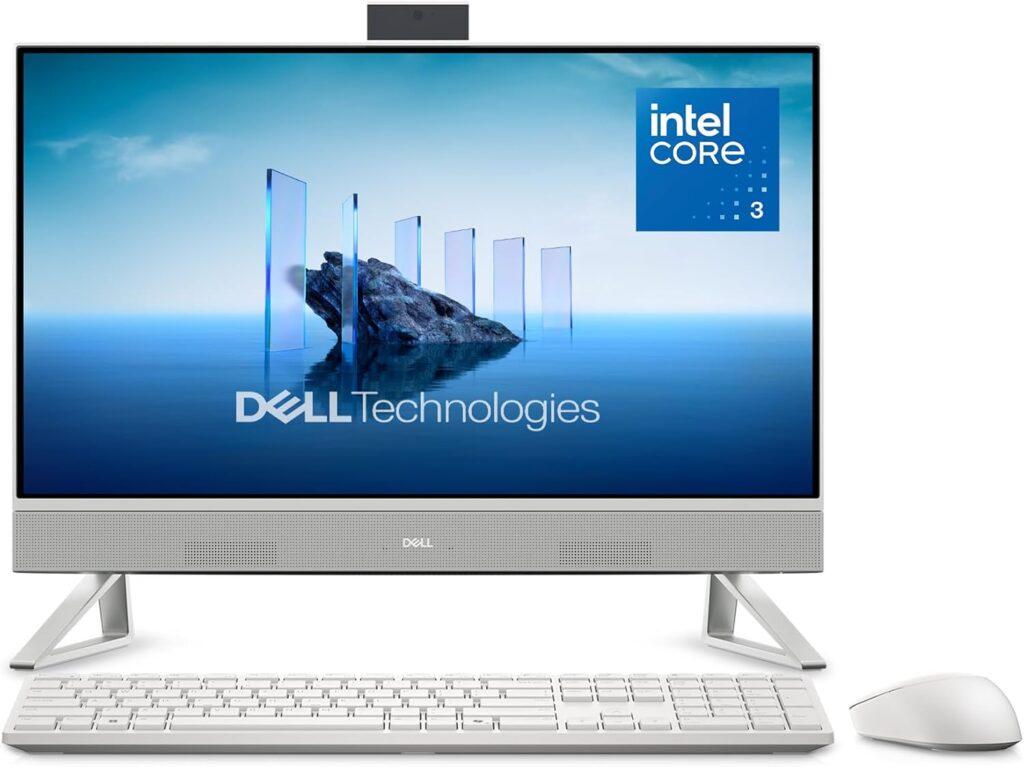
An all-in-one desktop, often abbreviated as AIO, integrates all the essential components of a computer – the processor, memory, storage, graphics, and motherboard – directly into the monitor itself. This design eliminates the need for a separate tower, reducing clutter and offering a much cleaner aesthetic. Think of it as a super-sized laptop display with desktop-level components. This compact form factor is incredibly appealing for those with limited space or a desire for a minimalist setup, a common concern for busy adults trying to fit gaming into their homes.
Are All-in-One Desktops Really Good for Gaming? The Short Answer.
Generally, no, not for serious or demanding gaming. Most all-in-one desktops are designed for general productivity, web browsing, and media consumption, prioritizing aesthetics and space-saving over raw graphical horsepower. While they can handle casual games, older titles, or less graphically intensive indie games, they typically struggle with modern AAA games at decent frame rates or resolutions. The core issue often lies in their integrated graphics and thermal limitations, which prevent high-performance components.
Why Do All-in-One Desktops Struggle with Modern Games?
There are several key reasons why AIOs aren't ideal for intensive gaming. First and foremost, most AIOs come equipped with integrated graphics processing units (GPUs), which share system memory with the CPU. These are significantly less powerful than dedicated graphics cards found in traditional gaming PCs. Second, the compact design of an AIO means less space for robust cooling systems. High-performance gaming generates a lot of heat, and inadequate cooling leads to thermal throttling, where components intentionally slow down to prevent overheating, causing noticeable performance drops and stuttering during gameplay. This can quickly turn a fun session into a frustrating experience.
Can You Upgrade an All-in-One Desktop for Better Gaming Performance?
One of the biggest pain points for gamers considering AIOs is the severely limited upgradeability. Unlike traditional desktops where you can swap out graphics cards, RAM, and even processors, most all-in-one PCs are designed with soldered components or difficult-to-access internals. This means that if your AIO's gaming performance isn't up to par, upgrading a dedicated GPU is usually impossible. Some models might allow for RAM or storage upgrades, but these won't dramatically improve graphical performance for demanding titles. This lack of future-proofing is a significant drawback for gamers who want to stay current without buying a whole new system every few years.
What Type of Games Can an All-in-One PC Handle?
While high-end AAA gaming is mostly out of reach, an all-in-one PC can still be a viable option for a specific type of gamer. They are perfectly capable of running:
- Casual browser-based games
- Classic titles from previous generations
- Indie games with less demanding graphics (e.g., Stardew Valley, Among Us)
- Esports titles at lower settings (e.g., League of Legends, Valorant, older versions of CS:GO)
- Many social and cozy games that are popular this month for unwinding and connecting with friends.
Are There Any High-End All-in-One Desktops for Gaming?
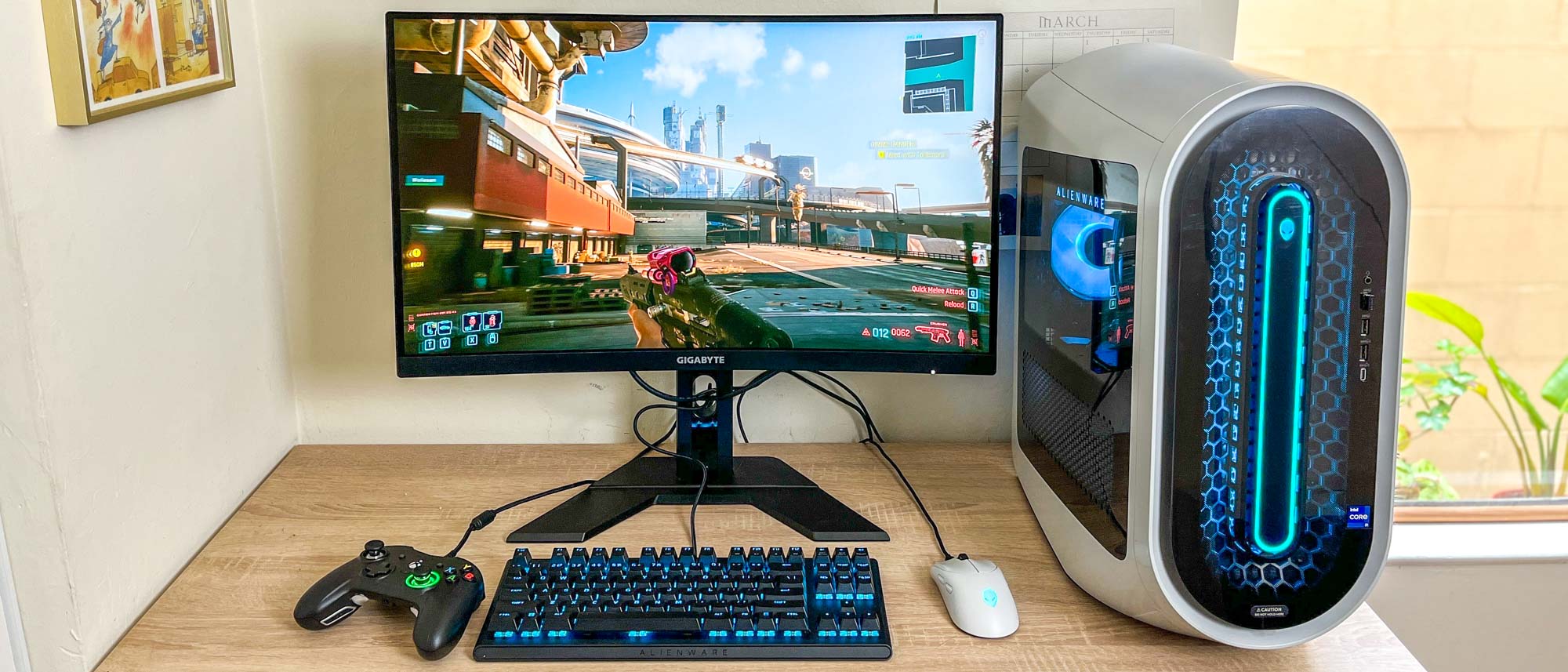
Yes, a few manufacturers have started to produce premium all-in-one desktops that include entry-level or mid-range dedicated graphics cards, such as an NVIDIA GeForce RTX 3050 or AMD Radeon RX 6600. These models offer a noticeable performance boost over AIOs with integrated graphics, allowing for a better experience in some modern games at 1080p resolution and medium settings. However, these specialized gaming AIOs come with a significantly higher price tag, often approaching or exceeding the cost of a custom-built gaming PC with superior components and full upgradeability. The trade-off between cost, performance, and future-proofing is critical here.
How Do All-in-One Desktops Compare to Gaming Laptops?
Gaming laptops and AIOs share some similarities in their compact, integrated design and thermal challenges. However, gaming laptops are specifically engineered with powerful mobile GPUs and more advanced cooling solutions, making them generally far superior for gaming than most AIO desktops. Laptops offer portability, which AIOs lack, but AIOs usually feature larger, more immersive screens. For pure gaming performance in a pre-built, space-saving format, a gaming laptop often wins out over a typical AIO.
What Are the Best Alternatives to an All-in-One for Gamers on a Budget or with Limited Space?
If your budget is tight or space is a concern, but you still want solid gaming performance, there are better options than most AIOs.
- Small Form Factor (SFF) PCs: These are compact traditional desktops that can house powerful components, including dedicated graphics cards. They offer excellent performance and upgradeability in a much smaller footprint than a standard tower.
- Gaming Laptops: As mentioned, a gaming laptop provides robust performance and portability, easily connecting to an external monitor for a desktop-like experience when at home.
- Mini PCs with External GPUs (eGPUs): Some mini PCs or even specific AIOs with Thunderbolt 3/4 ports can connect to an external GPU enclosure. This offers a path to better graphics, though eGPUs can be pricey and still have some performance overhead compared to internal GPUs.
- Pre-Built Entry-Level Gaming Desktops: Many manufacturers offer affordable pre-built gaming PCs that far outperform most AIOs and offer better upgrade paths, even if they require a separate monitor.
Remember, a significant portion of US gamers (around 60%) seek value for money and performance optimization. Exploring these alternatives can save you headaches and cash in the long run.
Conclusion: Balancing Convenience with Performance
So, are all in one desktops good for gaming? For the casual gamer who enjoys older titles, indie gems, or social games with friends on Discord, and prioritizes a clean, minimalist setup, an AIO might offer enough. But for the serious gamer who wants to tackle the latest AAA releases, enjoy high frame rates, or stay competitive in esports, the limitations of most AIOs – particularly their integrated graphics, thermal constraints, and lack of upgradeability – make them a less than ideal choice. Prioritizing a dedicated GPU, even in a compact form factor, will always yield a superior gaming experience. For gamers who juggle life's demands and cherish their gaming time, investing in a machine that truly delivers on performance and offers future flexibility is often the smarter move. What's your biggest gaming challenge when balancing life and play? Comment below!
FAQ Section
Can I play new games like Elden Ring on an all-in-one desktop?
Playing new, graphically intensive games like Elden Ring on a standard all-in-one desktop is generally not recommended. Most AIOs lack the dedicated graphics card and robust cooling needed to run such titles smoothly, often resulting in unplayable frame rates and poor visual quality. Only very high-end AIOs with dedicated GPUs might offer a passable experience, but usually at a significant cost and with performance compromises.
Do all-in-one PCs overheat easily during gaming?
Yes, all-in-one PCs are generally more prone to overheating during gaming sessions compared to traditional desktops. Their compact design limits airflow and the size of cooling components, leading to higher internal temperatures. This can cause thermal throttling, where the CPU and GPU reduce their clock speeds to prevent damage, resulting in noticeable performance drops and stuttering in games.
How much does a good all-in-one PC for light gaming cost?
A good all-in-one PC suitable for light gaming (casual, older, or indie titles) typically costs between $800 and $1500. For this price, you might find models with a decent mid-range processor (like an Intel Core i5 or AMD Ryzen 5) and integrated graphics. If you find an AIO with a very basic dedicated GPU, the price will usually start closer to the higher end of that range or exceed it, offering marginally better performance.
Are all-in-one PCs good for social gaming with friends?
All-in-one PCs can be good for social gaming, especially if your group enjoys less graphically demanding titles like Among Us, Phasmophobia, or older multiplayer games. They offer a large screen for shared viewing and can connect to peripherals for a local multiplayer experience, depending on the game. For online social gaming on Discord, they work well for communication, but for demanding shared experiences, performance might be an issue.
What is the lifespan of an all-in-one desktop for gaming purposes?
The lifespan of an all-in-one desktop for gaming purposes tends to be shorter than that of a traditional, upgradable gaming PC. Because AIOs are difficult to upgrade, their gaming relevance diminishes rapidly as new, more demanding games are released. You might find a standard AIO struggling with new titles within 2-3 years, whereas a modular gaming PC can often be updated component by component to extend its useful life for 5+ years.
Do all-in-one PCs use laptop components?
Many all-in-one PCs often utilize a mix of laptop-grade and desktop-grade components. To achieve their slim profiles and manage heat in a confined space, they frequently incorporate mobile processors (CPU) and integrated graphics (GPU), similar to what you'd find in laptops. Some higher-end AIOs might feature desktop-grade CPUs, but dedicated GPUs, if present, are usually lower-powered mobile versions to fit the design constraints.
All in one desktops offer convenience and aesthetics but generally lack the raw gaming power and upgradeability of traditional gaming PCs. They are best for casual gaming or older titles, not demanding modern AAA games, due to integrated graphics and thermal limitations. Value for money often favors custom builds for performance.
35


ASUS Announces 2026 All In One PCs And Desktops In The Philippines Image 65 . The Best Gaming Desktops 2026 Top 10 Gaming Desktops Buy Now Guide . Ultimate 2025 2026 Desktop PC All In One Showdown Top Picks For Desktop Pc 1024x574 . 12 Best Gaming PC Under 500 In 2026 Tested Reviewed Slide13 . 7 Best All In One Computers June 2026 Expert Reviews Best All In One Computers



Lenovo All In One Desktop . 10 The Best All In One Computer For Gaming Passed Our Test 2026 SL500 . Lenovo S 2026 Panther Lake Desktops Are All In One PCs That Glow And. 5 Best All In One PCs 2026 Top 5 All In One Computers 2026 YouTube . Top 5 Best Gaming Desktops Of 2026 Best Product Review Best Gaming Desktops
Best Budget Desktop Computers 2026 9meters 71 K PB3lTL . Best Gaming Computers In 2026 9meters Hpaq Kbcyhk . Powerful Desktop Computers . 12 Best All In One Desktop Computers In 2026 Tested Reviewed Lenovo 24 FHD All In One Desktop Computer 1 1024x900 . Ultimate Gaming Pc 2022


The Best Gaming PC 2026 UK Builds At The Cheapest Prices GamesRadar . 12 Best All In One Desktop Computers In 2026 Tested Reviewed Dell 24 All In One Desktop Ec24250 23.8 Inch 1024x767 . 7 Best All In One Computers YouTube . The Best All In One Computers For 2026. 12 Best All In One Desktop Computers In 2026 Tested Reviewed Slide2 1024x576

12 Best All In One Desktop Computers In 2026 Tested Reviewed Slide11 1024x576 . The Best Gaming PCs In 2024 Tom S Guide 1200 80 . Best All In One Computers 2026 Forbes Vetted 960x0 . 12 Best All In One Desktop Computers In 2026 Tested Reviewed Best Gaming PC 2 1024x576 . Top 10 Best Desktop Computers 2026 For Home Office And Work Lenovo Legion Tower 7i 2026 High Performance Desktop Computer With RGB Lighting Featured In



12 Best All In One Desktop Computers In 2026 Tested Reviewed Slide10 1024x576 . 12 Best All In One Desktop Computers In 2026 Tested Reviewed Slide6 . ASUS Unveils 2026 AI PCs Gaming Desktops In PH Thumb. Best Gaming Desktops For 2026 Technobezz Technobezz 2026 03 11 T142543 296 09ffd22ab9 . 12 Best All In One Desktop Computers In 2026 Tested Reviewed Slide8 1024x576


Best Easy To Use Computer . Top 5 BEST All In One PCs In 2025 YouTube . Best PC For 2026 For All Purposes From Coding To Gaming To Video AC SL1500 . Top 10 Best Desktop Computers 2026 For Home Office And Work Apple IMac M4 2026 All In One Desktop Computer For Creative In Best Desktop. Lenovo Rollable Laptop Concept CES 2026 S Game Changing Laptop Lenovo CES 2026 Rollable Laptop Concepts 20260107 103129