Have you ever wondered if gaming actually produces dopamine and how it impacts your brain? This comprehensive guide dives deep into the neurobiology of gaming, exploring the intricate relationship between video games, the brain's reward system, and the powerful neurotransmitter dopamine. We'll uncover the science behind those thrilling moments, from leveling up in an RPG to securing a clutch victory in Battle Royale, and explain precisely why games feel so satisfying. Discover the real mechanisms at play, understand the potential benefits for cognitive function, and learn about the delicate balance needed to maintain healthy gaming habits. This article provides critical insights into the brain's chemistry while gaming, offering expert perspectives and practical tips for every player. It also addresses common concerns and debunks myths, providing up-to-date information for 2026.
"does gaming produce dopamine FAQ 2026 - 50+ Most Asked Questions Answered (Tips, Trick, Guide, How to, Bugs, Builds, Endgame)"
Welcome to the ultimate living FAQ for "Does Gaming Produce Dopamine"! In 2026, understanding the intricate relationship between our brains and video games is more crucial than ever. This guide is your one-stop resource for the most pressing questions, updated with the latest scientific insights and expert opinions. Whether you're a seasoned player, a curious parent, or just interested in neurobiology, we've got you covered. From the fundamental science of neurotransmitters to practical tips for healthy gaming, we'll demystify how games tap into our reward systems. Dive in to discover how to maximize benefits, mitigate risks, and gain a clearer perspective on this fascinating intersection of technology and human psychology. Get ready to level up your knowledge!
Common Questions About Gaming and Dopamine
Does playing video games release dopamine?
Yes, playing video games definitely releases dopamine. This neurotransmitter is a key component of your brain's reward system, signaling pleasure and motivation. Every achievement, challenge overcome, or new discovery in a game triggers its release, reinforcing the behavior and making the experience feel satisfying and engaging. This natural reward mechanism is fundamental to why games are so captivating.
How long does dopamine last after gaming?
The duration of dopamine release after gaming can vary widely among individuals and depends on game intensity. Typically, the elevated levels might last from minutes to a couple of hours following an engaging session, gradually returning to baseline. Factors like game genre, personal excitement, and individual brain chemistry all influence how long these neurochemical effects persist. Balanced engagement helps maintain natural rhythms.
Can too much gaming cause dopamine imbalance?
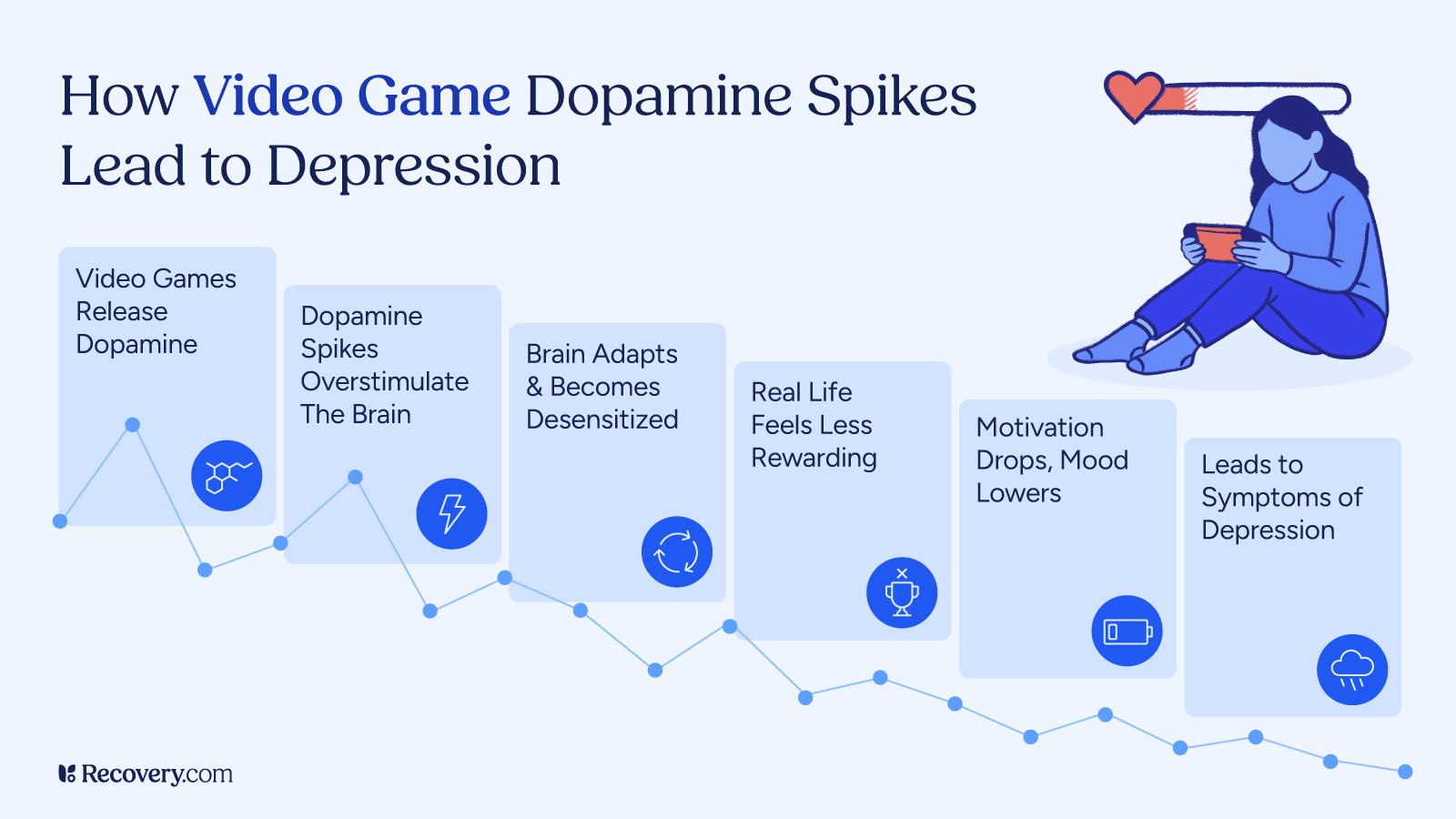
Yes, excessive gaming can potentially lead to a dopamine imbalance or dysregulation in the brain. Constant, intense stimulation from gaming may cause the brain to adapt by reducing dopamine receptor sensitivity or natural production. This can lead to a state where more gaming is needed to achieve the same pleasurable effect, potentially fostering compulsive behavior. Moderation is vital to maintain a healthy balance.
Is gaming more addictive than drugs because of dopamine?
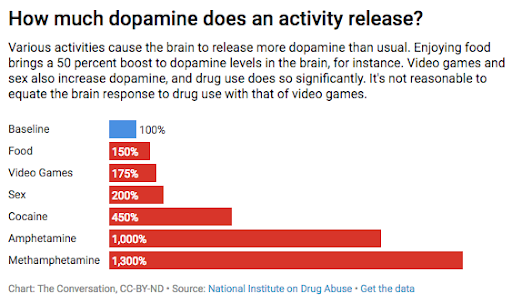
No, gaming is not inherently more addictive than drugs, though it can activate similar reward pathways in the brain. While gaming stimulates dopamine, psychoactive drugs often trigger far more potent and sustained releases, leading to rapid and severe physical and psychological dependence. Gaming addiction is a behavioral addiction, distinct in its neurochemical and physiological impacts from substance addiction. Myth vs. Reality: Gaming's pull is strong, but drug addiction often involves profound physiological changes.
Does stopping gaming reset dopamine?
Taking a break from gaming can help your brain's dopamine system begin to re-regulate over time. While it doesn't instantly 'reset,' reducing constant stimulation allows receptors to regain sensitivity and natural dopamine production to stabilize. This process helps restore your brain's ability to find pleasure in other activities and can alleviate feelings of needing to game. Myth vs. Reality: It's a gradual rebalancing, not an immediate reset button.
What are the benefits of dopamine from gaming?
The dopamine release during gaming offers several potential benefits. It can enhance motivation, improve focus, and reinforce learning in problem-solving scenarios. The sense of achievement and pleasure derived from gameplay can also boost mood and provide stress relief. In moderation, this neurochemical response can contribute positively to cognitive function and overall mental well-being. Tip: Focus on games that challenge your mind rather than just your reflexes.
Does competitive gaming increase dopamine more?
Competitive gaming often elicits higher, more intense dopamine spikes than casual play due to the heightened stakes, unpredictability, and social reward. The thrill of victory, the satisfaction of outmaneuvering opponents, and the social recognition all contribute to a powerful neurochemical response. This intense stimulation drives motivation and can be a significant factor in why competitive games are so engaging. Tip: Use strategies to manage competitive stress, like short breaks.
Still have questions? Check out our guides on 'Managing Gaming Habits for Mental Health' or 'The Cognitive Benefits of Strategic Video Games' for more in-depth information!
We've all been there: that rush after a perfect headshot, the euphoria of completing a challenging quest, or the sheer joy of unlocking a rare item. But have you ever stopped to ask yourself, "Does gaming actually produce dopamine?" It's a question that many players and curious minds often ponder, especially with the ever-evolving world of digital entertainment. The answer is a resounding yes, and understanding why is absolutely fascinating.
Think of dopamine as your brain's internal reward currency. It is a powerful neurotransmitter that signals pleasure, motivation, and learning. When you engage in activities that are beneficial or pleasurable, your brain releases dopamine, reinforcing that behavior. For gamers, this means every victory, every discovery, and every moment of progress can trigger this chemical reward. It creates a feedback loop that keeps us coming back for more, seeking out those satisfying bursts of achievement.
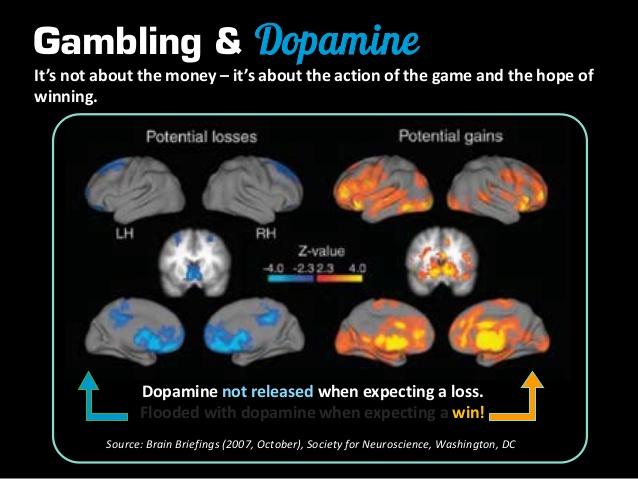
In 2026, cutting-edge neuroscience confirms that video games are expertly designed to tap into this reward system. From the vibrant visual cues to the satisfying auditory feedback, every element plays a role. Games utilize intermittent reinforcement schedules, similar to slot machines, where rewards are not guaranteed but are frequent enough to maintain engagement. This keeps players motivated, always anticipating the next big win or exciting discovery. It is a core reason why gaming feels so incredibly compelling.
The Science Behind the Gaming High
Our brains are wired for novelty and challenge, and video games deliver both in spades. When you overcome an obstacle in an FPS or strategize your way to victory in a MOBA, your brain interprets this as a successful achievement. This positive feedback loop is crucial for learning and adapting in many aspects of life. It’s not just about winning; the anticipation of a reward itself can trigger dopamine release. This creates a state of focused motivation, driving players to persist through difficulties. The intricate dance between challenge and reward makes gaming uniquely engaging for many.
How Different Game Genres Impact Dopamine Release
Different game genres stimulate our brains in distinct ways, each offering unique dopamine-triggering experiences. Consider an RPG like a sprawling fantasy epic where progression is slow but deeply rewarding. Each level gained, each piece of legendary gear acquired, offers a sustained sense of accomplishment. The journey itself provides consistent mini-rewards that keep players invested for hundreds of hours. This long-term engagement is fueled by a steady stream of dopaminergic feedback, building a deep connection with the game world.
Contrast this with a fast-paced Battle Royale game where high-stakes, rapid-fire decisions dominate the gameplay. Here, the dopamine spikes are intense and immediate, tied to quick reflexes and critical strategic choices. Surviving a gunfight or being the last one standing delivers an explosive burst of reward. These quick, impactful victories create an adrenaline-fueled experience that can be incredibly addictive. Even Indie games, often relying on unique narratives or innovative mechanics, can provide powerful emotional and intellectual rewards. These diverse experiences demonstrate the versatility of gaming's impact on our brain chemistry, catering to various psychological needs and preferences.
Ultimately, understanding how gaming affects dopamine isn't just academic; it helps us appreciate the powerful draw of these virtual worlds. It sheds light on why games can be so captivating, offering moments of intense pleasure and deep satisfaction. This knowledge also empowers us to engage with gaming more mindfully. Balancing the thrill of the chase with other life responsibilities becomes much easier when we recognize the underlying biological drivers. The goal is to harness the positive aspects of this powerful neurochemical response.
Reasoning Model Notes & Expert Q&A for Gaming & Dopamine (2026 Perspective)
Alright, let's talk about the fascinating world where gaming meets our brain's reward system. I get why this topic confuses so many people; it's complex, mixing neuroscience with our everyday experiences. As someone who's seen these models evolve, I want to demystify it for you. We're going to dive into some core concepts, then move to practical applications, and finally, look at what the frontier of 2026 research tells us. You've got this!
Beginner / Core Concepts
1. Q: What exactly is dopamine, and why is everyone talking about it with gaming?
A: Dopamine is a crucial neurotransmitter, acting as our brain's internal signaling molecule for motivation, pleasure, and reward. It's often misunderstood as just the 'pleasure chemical,' but it's more about the 'wanting' and 'seeking' behaviors that drive us toward goals. With gaming, every achievement, challenge overcome, or new item acquired triggers a release, reinforcing the behavior. This makes games incredibly engaging. It's the reason you feel that little burst of satisfaction when you level up or win a match. Understanding this fundamental role helps us see why games can be so captivating, tying into our natural desires for accomplishment and progression. This isn't just a simple 'feel-good' chemical; it's a powerful motivator.
2. Q: Does every game cause the same amount of dopamine release?
A: Not at all! The amount of dopamine released varies greatly depending on the game, its design, and even your personal engagement. Highly rewarding games with clear progression, like many RPGs or competitive FPS titles, often trigger more significant spikes. Games with unpredictable rewards, known as intermittent reinforcement schedules, can be particularly potent. Think about opening a loot box; the uncertainty fuels anticipation, which is a big dopamine driver. Simple puzzle games might provide a gentle, steady release, while a clutch play in a ranked MOBA could send it soaring. It really depends on how well the game taps into your brain's reward pathways. This is why some games feel more 'addictive' than others, too.
3. Q: Is gaming dopamine good or bad for you?
A: That's a classic question, and like most things in life, it's not black and white. In moderation, the dopamine release from gaming can be beneficial. It boosts motivation, enhances focus, and provides a sense of achievement and pleasure. It can even help with learning and problem-solving. However, excessive or compulsive gaming, where it displaces other life activities, can lead to problems. This isn't because dopamine itself is 'bad,' but because the brain's reward system can become dysregulated, leading to a need for increasingly intense stimuli to feel satisfied. It's about balance, like with anything that brings strong pleasure. The key is mindful engagement. You're learning to navigate these nuances already!
4. Q: Can gaming make you addicted to dopamine?
A: While you can't technically be 'addicted to dopamine' in the literal sense, you can develop a behavioral addiction to activities that consistently trigger its release, like gaming. When the brain is constantly flooded with dopamine from a specific activity, it can adapt by reducing its natural production or receptor sensitivity. This means you need more of that activity to achieve the same feeling, creating a tolerance-like effect. It's less about the chemical itself and more about the brain's adaptation to constant stimulation. This can lead to compulsive gaming, where the 'wanting' overshadows the actual 'liking.' Recognizing this is the first step toward healthier habits. Keep an eye on how gaming fits into your life!
Intermediate / Practical & Production
5. Q: How can I tell if my dopamine response to gaming is becoming unhealthy?
A: This one used to trip me up too, but there are clear signs. The biggest indicator is when gaming starts negatively impacting other important areas of your life. Are you neglecting school, work, or social connections for gaming? Do you feel irritable or anxious when you can't play? Are you gaming for longer periods than intended, or lying about your gaming habits? If you're experiencing withdrawal-like symptoms, or if gaming feels less like fun and more like a compulsion you can't control, it's worth taking a closer look. Early intervention is always best. Try reducing your play time gradually and see how you feel. It's about regaining control, and you've got the power to do that!
6. Q: Are there ways to get the positive dopamine boost from gaming without the negative side effects?
A: Absolutely, and this is where mindful gaming comes in. First, set clear limits for your gaming sessions and stick to them. Use timers, or plan other activities immediately after playing to help transition. Second, focus on games that offer diverse rewards, not just endless grind. Cooperative play, creative games, or those with strong narratives can offer different types of satisfaction beyond pure competitive wins. Third, ensure you're getting dopamine from other sources: exercise, healthy social interactions, learning new skills, or pursuing hobbies outside of gaming. This diversifies your brain's reward pathways and prevents over-reliance on one source. Think of it as balancing your dopamine portfolio! You'll feel better for it.
7. Q: What role does game design play in influencing dopamine release?
A: Game designers are essentially neuroengineers, whether they realize it or not! They meticulously craft experiences to maximize engagement and, yes, dopamine release. This includes things like satisfying visual and auditory feedback for achievements, clear progression systems (level-ups, skill trees), unpredictable loot drops, and competitive ladders. The concept of 'flow state'—where you're deeply immersed and performing at your peak—is also a huge dopamine driver. Designers use things like adaptive difficulty to keep you challenged but not overwhelmed. It's a careful balance between frustration and reward, calibrated to keep you hooked just enough. Understanding their techniques helps us appreciate the craft, and also recognize when we're being intentionally manipulated for engagement. Smart stuff!
8. Q: How does dopamine in gaming compare to other rewarding activities like exercise or eating?
A: That's a really insightful question! Dopamine's role is universal across rewarding activities, but the *intensity* and *context* differ. Exercise, for instance, provides a sustained, healthy dopamine release that contributes to overall well-being and reduces stress. Eating a delicious meal triggers dopamine related to survival and pleasure. Gaming, however, can often provide more rapid and intense spikes, especially with quick wins or surprising rewards. It’s also often less physically demanding and can be more readily accessible, making it a highly efficient way to get that dopamine hit. The key difference lies in the balance and the potential for displacement. Healthy activities integrate well into life; excessive gaming can push them out. It’s all about the 'why' behind the activity. Keep asking those comparative questions!
9. Q: Can balancing other reward sources help regulate gaming dopamine response?
A: Absolutely, this is a cornerstone of a healthy lifestyle! When you have multiple sources of dopamine—from physical activity, meaningful relationships, creative pursuits, and professional achievements—your brain doesn't become over-reliant on just one. Each activity offers its unique blend of reward and satisfaction. For example, the sustained effort and accomplishment of learning a new skill provide a different, often deeper, kind of dopamine reward than a quick game win. Engaging in diverse activities helps your brain maintain a more balanced neurochemical state, making you less susceptible to the compulsive draw of any single activity. It's like having a diversified investment portfolio for your mental well-being! Try scheduling some non-gaming rewards into your week. You'll thank yourself!
10. Q: Are there any cognitive benefits from the dopamine release during gaming?
A: Yes, there certainly can be! The dopamine released during engaging gameplay can actually enhance cognitive functions. It plays a key role in memory formation, attention, and problem-solving. When you're in a highly focused state, strategizing in an RTS or rapidly reacting in an FPS, your brain is actively working to process information and make decisions. The dopamine acts as a signal to 'remember this' and 'do more of this,' reinforcing effective neural pathways. This can lead to improved reaction times, spatial awareness, and even critical thinking skills. It's not just passive entertainment; it's active brain training! The trick is to ensure you're getting enough diverse stimulation to support all aspects of cognitive health. You're already thinking like a pro!
Advanced / Research & Frontier 2026
11. Q: What does 2026 research say about individual differences in dopamine response to gaming?
A: That's a super important frontier question! By 2026, we're seeing advanced neuroimaging techniques giving us incredible insights into individual variability. Research is increasingly showing that genetic predispositions and baseline dopamine receptor sensitivity play a significant role. Some individuals naturally have a higher or lower baseline dopamine tone, influencing how intensely they experience rewards from gaming. Moreover, early life experiences and existing mental health conditions (like ADHD or depression) can alter these responses. This means two people playing the exact same game might have vastly different neurochemical experiences. It's not a one-size-fits-all, and understanding these individual nuances is key to personalized interventions and healthy gaming strategies. The future is all about tailored approaches, my friend!
12. Q: How are neuro-feedback and AI models being used to study gaming dopamine in 2026?
A: This is where things get really cutting-edge! In 2026, neuro-feedback systems are becoming more sophisticated, allowing researchers to monitor brain activity in real-time during gameplay. We're seeing AI models analyze these massive datasets to predict dopamine spikes based on in-game actions and player states. For instance, AI can identify patterns in brainwave activity that precede a 'flow state' or a significant reward. This helps game designers create more adaptive experiences, but also gives us a deeper understanding of the precise neural mechanisms at play. Some experimental setups even use neuro-feedback to help players self-regulate their arousal levels for optimal performance and healthy engagement. It’s like having a real-time window into your brain, pretty wild, huh? This tech is truly redefining our understanding.
13. Q: What ethical considerations arise with deeper understanding of game design and dopamine?
A: You're hitting on a critical point here, one that keeps ethicists and developers up at night. As our understanding of dopamine manipulation in game design grows, so do the ethical responsibilities. The power to create highly engaging, almost irresistible, experiences comes with the potential for exploitation. We're talking about questions like: How far is too far in optimizing for 'retention' or 'monetization' if it borders on compulsive behavior? Should games disclose their neuro-psychological design principles? Who is responsible for preventing problematic gaming when the design itself is so potent? In 2026, discussions are ongoing about industry best practices, potential regulatory frameworks, and fostering 'ethical game design' principles. It's a complex tightrope walk between innovation and player well-being. We need smart folks like you thinking about this!
14. Q: Is there a link between gaming-induced dopamine and creativity or innovation?
A: That's a less explored but incredibly promising area of 2026 research! While dopamine is primarily known for reward and motivation, it also plays a crucial role in cognitive flexibility and divergent thinking—key components of creativity. The 'flow state' often experienced during deep gaming can put the brain in an optimal state for novel connections. When players are actively problem-solving, experimenting with different strategies, or building intricate virtual worlds, the associated dopamine release might actually reinforce these creative neural pathways. We're seeing preliminary studies suggesting that structured, creative gaming can prime the brain for innovative thought outside the game. It’s not just about consuming content; it’s about active participation that can spill over into real-world benefits. Keep those creative juices flowing!
15. Q: What are the future implications of personalized game experiences tailored to individual dopamine profiles?
A: This is the ultimate frontier, looking ahead a few more years, maybe even beyond 2026! Imagine games that adapt dynamically to your unique neurochemical responses. For someone prone to problematic gaming, the game might subtly reduce reward frequency or introduce 'cooling-off' periods. For someone seeking cognitive enhancement, it might ramp up specific challenges to maximize beneficial dopamine release for learning. This could lead to hyper-personalized, therapeutic, or educational gaming experiences. However, it also raises significant privacy concerns and the potential for hyper-addictive 'perfect' games. The balance will be finding ways to leverage this knowledge for well-being, not just engagement. It's a powerful tool, and we'll need to use it wisely. What an exciting, yet challenging, future awaits!
Quick 2026 Human-Friendly Cheat-Sheet for This Topic
- Your brain loves gaming! It releases dopamine for motivation and pleasure.
- Not all games are equal; some offer intense spikes, others a steady flow.
- Moderation is key: balance gaming dopamine with rewards from real-life activities.
- Watch for warning signs if gaming starts to negatively impact your life.
- Diversify your dopamine sources: exercise, social connections, and hobbies are vital.
- Game design is powerful; recognize how games are engineered to engage you.
- 2026 tech helps us understand individual brain responses, making personalized gaming a future reality.
Gaming dopamine release, brain reward system, cognitive benefits of gaming, understanding gaming addiction, managing gaming habits, neurobiology of video games, mental health and gaming, impact of game design on dopamine.
34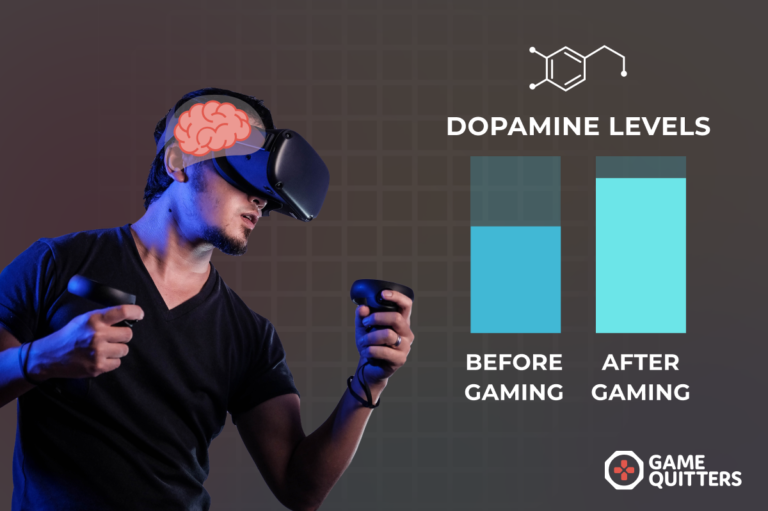
..png)
How Gaming Affects The Brain Gaming And Dopamine Levels 768x511 . The Dopamine Trap How Gaming Affects Your Brain Infographic Comparing Dopamine Release Gaming Vs. Daily Activities (e.g., Gaming Vs. Reading Vs. Exercise). . Video Games And Depression Gaming S Impact On Mental Health And Wellness Video Games Dopamine Depression Infographic . Screens Dopamine At Felipe Heidt Blog Role Of Dopamine In Gaming . Gaming Addiction And Role Of Dopamine Dopamine Release On Activity
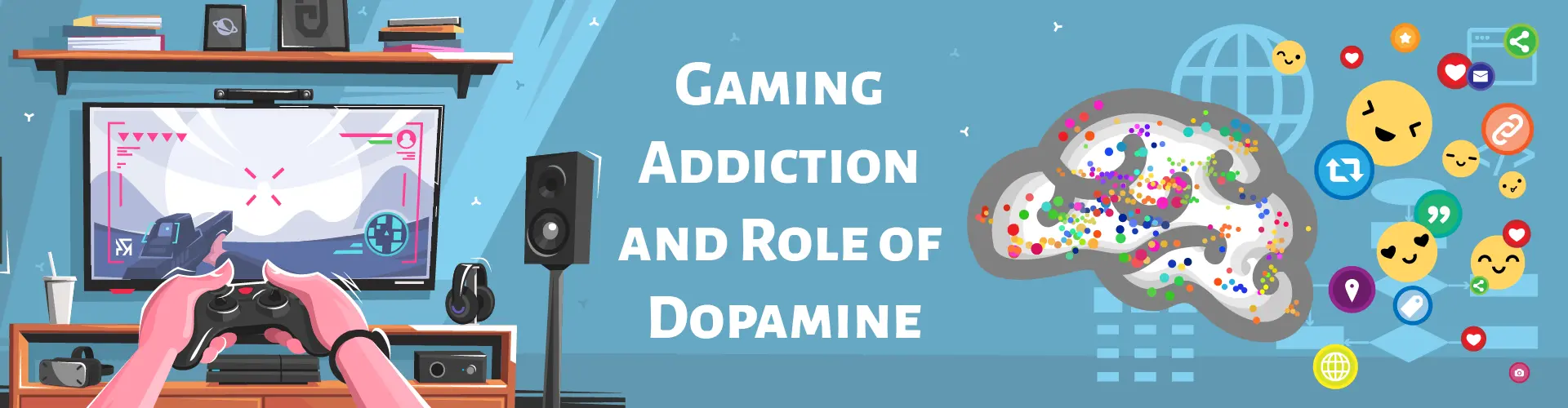
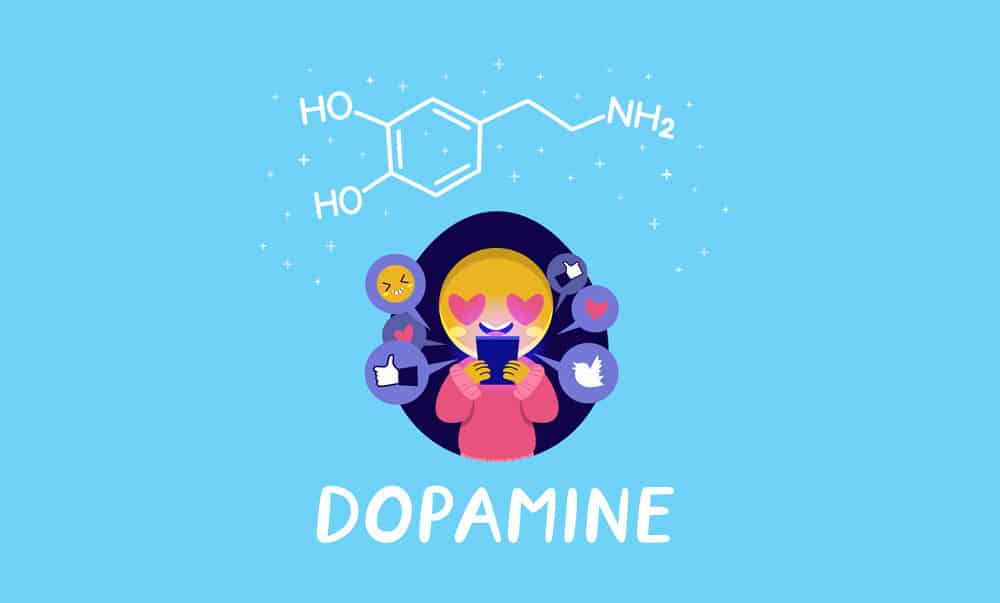


Gaming Addiction And Role Of Dopamine Role Of Dopamine In Gaming.webp. How Dopamine Impacts Gaming Game Quitters Dopamine2 . Dopamine And Gaming Addiction YouTube . How Dopamine Works And How Gaming Can Rewrite Your Brain Enigmatic Low Dopamine Symptoms Why Gaming Might Be The Answer 7 . Dopey About Dopamine Video Games Drugs Addiction Dopameth
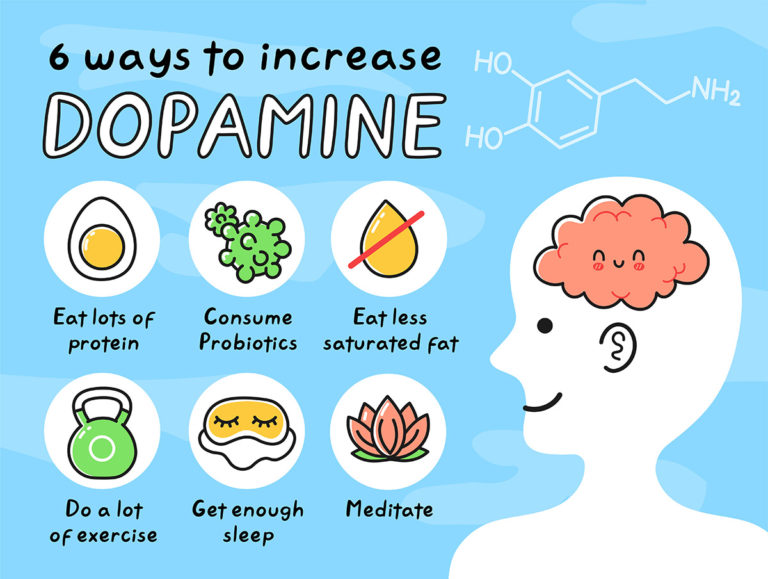
:max_bytes(150000):strip_icc()/can-you-get-addicted-to-dopamine-5207433-ADD-Color-bcfbd83f2cc148aba1b2c0b130166ff8.jpg)
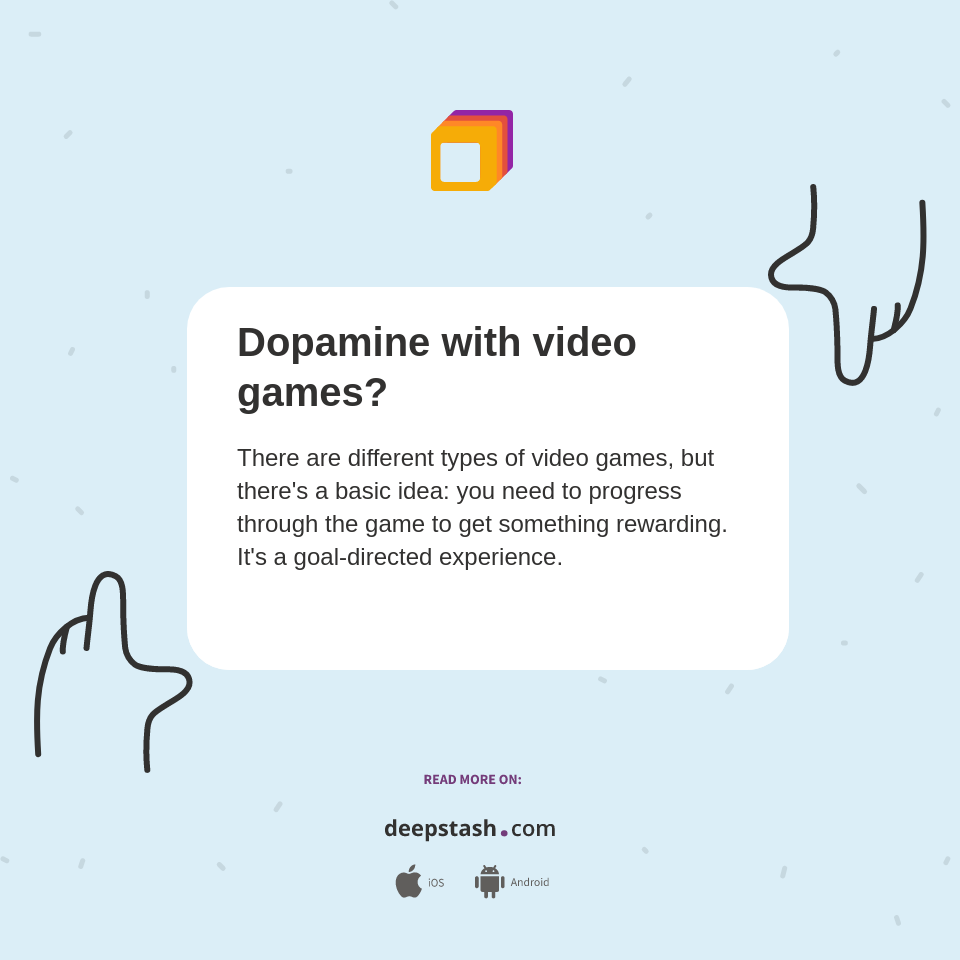
Thread By On Thread Reader App Thread Reader App . What Is The Dopamine Theory Of Addiction Game Quitters Dopamine Fast 768x579 . How Dopamine Impacts Gaming Dopamine Detox 1024x576 . Dopamine With Video Games Deepstash 347790 1709069764 . Does Dope Mean Dopamine At Terry Camacho Blog Can You Get Addicted To Dopamine 5207433 ADD Color


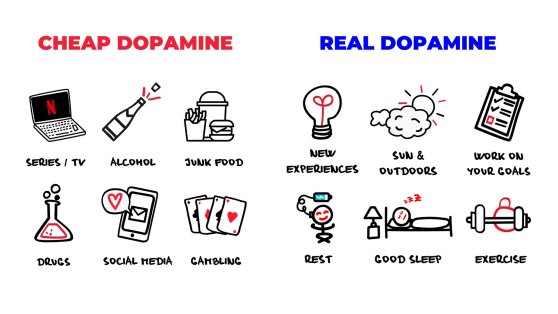
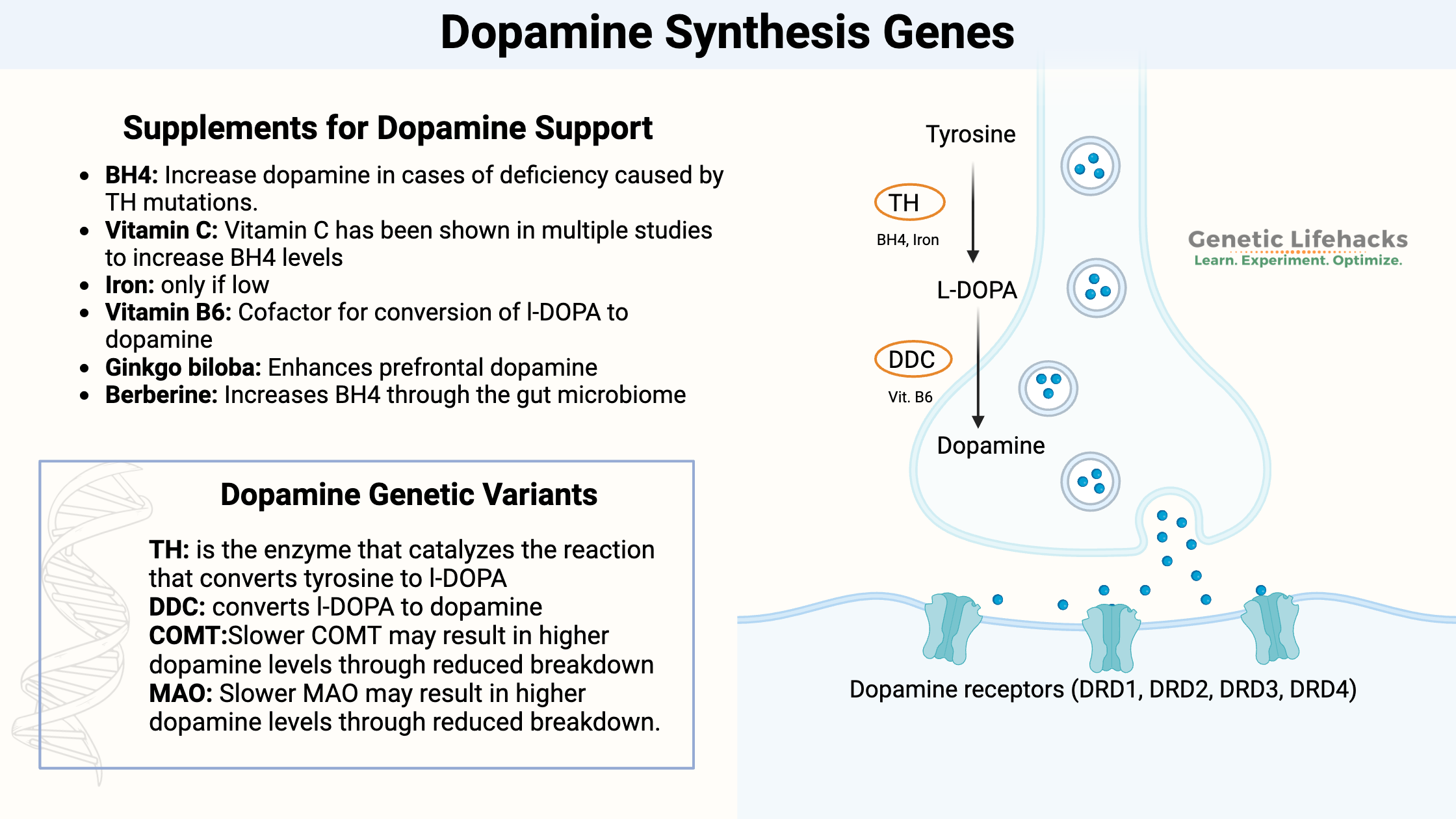
Video Game Addiction 11 Signs Symptoms And Treatments Video Game Addiciton Graphics 04 The Three Levels Of Gaming Disorder 1200x600 . Dopamine Menu 5 Steps To Boost Your Happiness Things That Quickly And Temporarily Increase Dopamine Levels.webp. Dopamine Structure L DOPA Levodopa Dopamine Precursor Dopamine Function . Stop Start Living With Com Cheap Dopamine 558x314 . How Does Alcohol Increase Synaptic Levels Of Dopamine In The Nucleus Dopamine Graphical Abstract


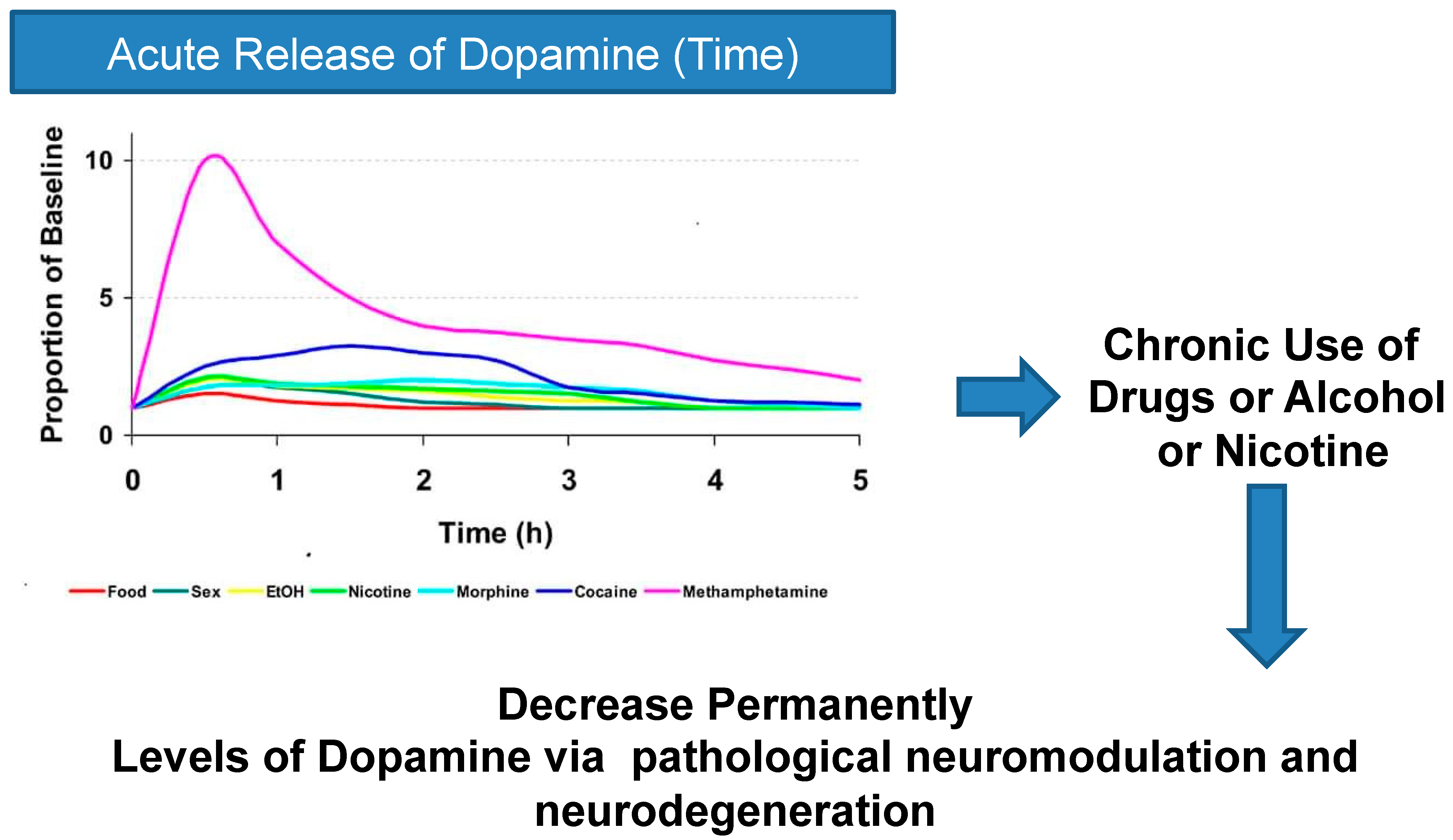


Your Brain Is Rotting Because Of Reels And Shorts Your Brain Is Activities That Release Dopamine 1024x640 . Boost Your Bliss Natural Ways To Increase Dopamine Image1 3 Scaled . Dopamine New Insights Ijms 25 05293 G003 . Happy Brain Chemicals Dopamine Dopamine Healthy Lifestyle Brain . Increase Dopamine Naturally 14 Science Backed Ways To Boost Dopamine


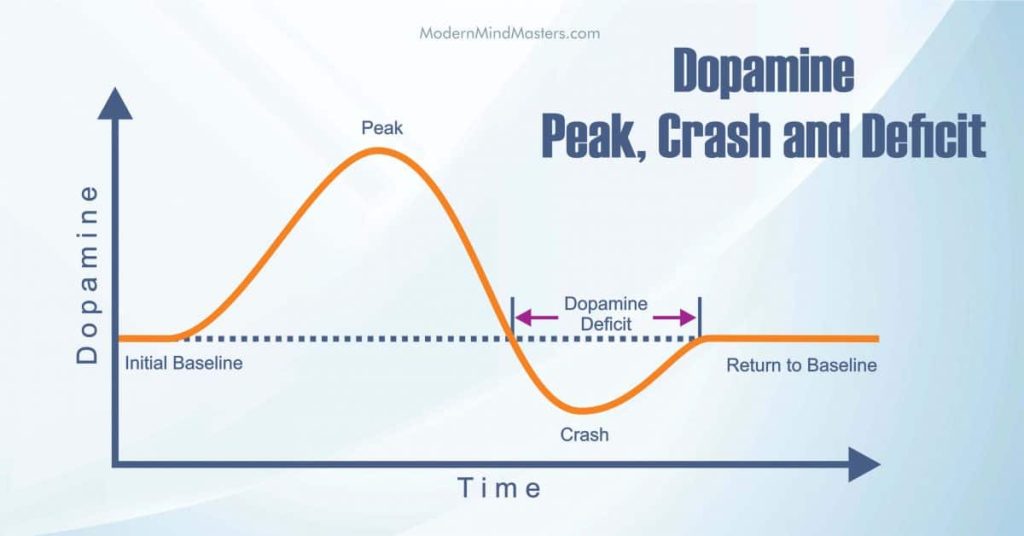

How Does Alcohol Increase Synaptic Levels Of Dopamine In The Nucleus System And Dopamine . How To Increase Dopamine . How To Hack Dopamine To Your Advantage Mindful Way To Be Dopamine Peak And Crash Graph 1024x536 . How To Increase Dopamine Levels In Kids With ADHD Goally How To Increase Dopamine Goally 683x1024 . How Dopamine Impacts Gaming Game Quitters Dopamine Impact On Gaming 1024x576

What Is The Dopamine Theory Of Addiction Game Quitters Dopamine Gaming 1024x576 . Boost Your Bliss Natural Ways To Increase Dopamine 9 Fast Easy Ways To Boost Dopamine . Alcohol S Impact On Dopamine Explained Video Games And Dopamine The Behind Gaming Pleasure. Neurology Of Gaming Infographic All Kinds Of Minds Effect Video Games Brain Infographic